

She Stayed on Until the Clock Forgot to Breathe

She didn’t cry at the funeral. Didn’t cry the week after either. But when she opened the window that morning and realized there would be no more phone calls, no more shared silence, no more “I’m just checking in” texts — something inside her cracked where no one could see.
The world moved on. People sent flowers, casseroles, and texts that said “thinking of you.” But none of it touched what she had lost.
She didn’t bury her grief. She carried it like water in her hands — gently, trembling, afraid to let it spill but knowing it always would.
And so she went back to the room. The one where they had last breathed. Where the clock still sat on the side table, ticking like nothing had changed.
She sat in the chair beside the bed — the one they had held hands from, side by side — and she stayed. Not because she didn’t know what else to do. But because leaving felt like betrayal.
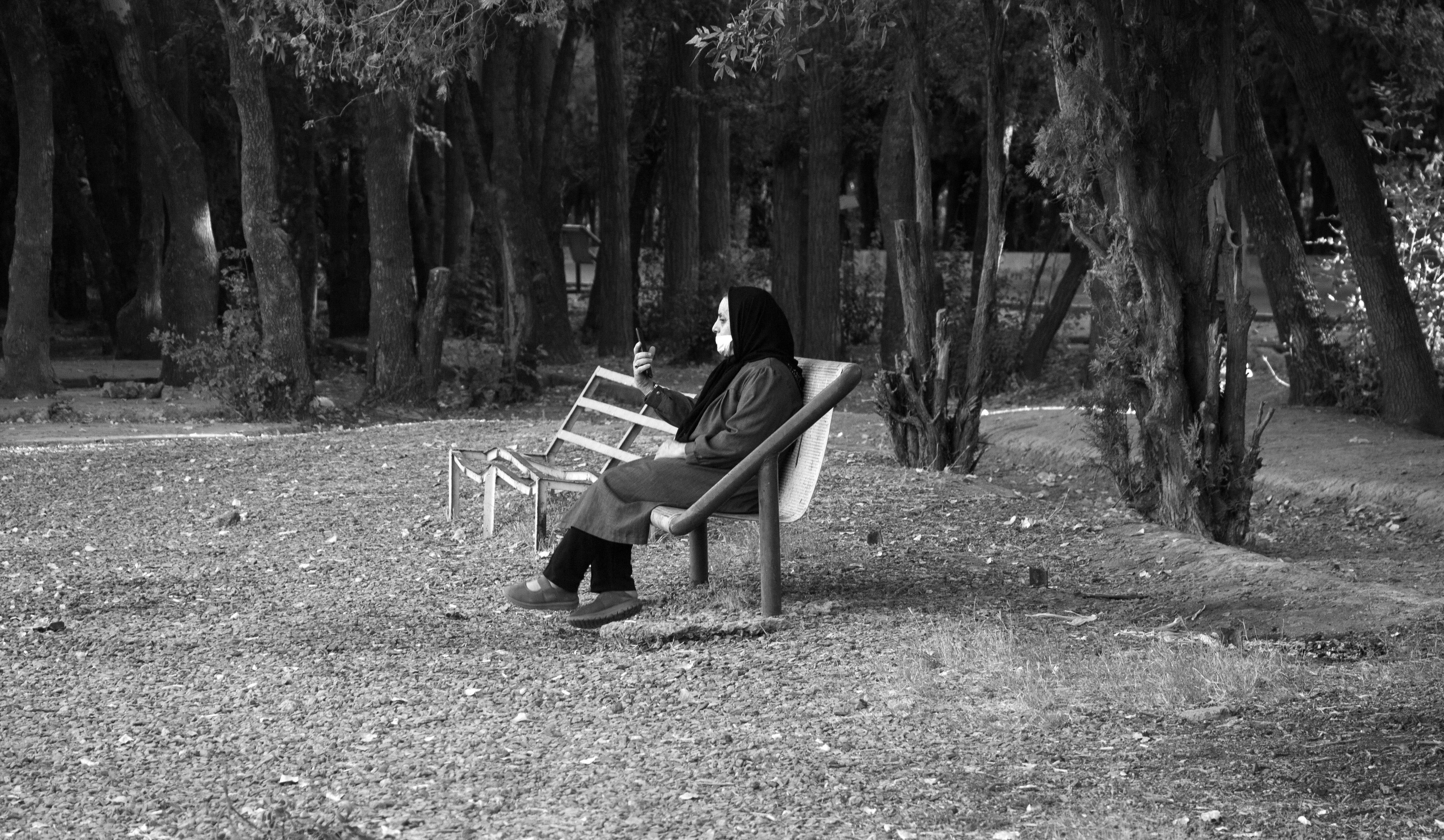
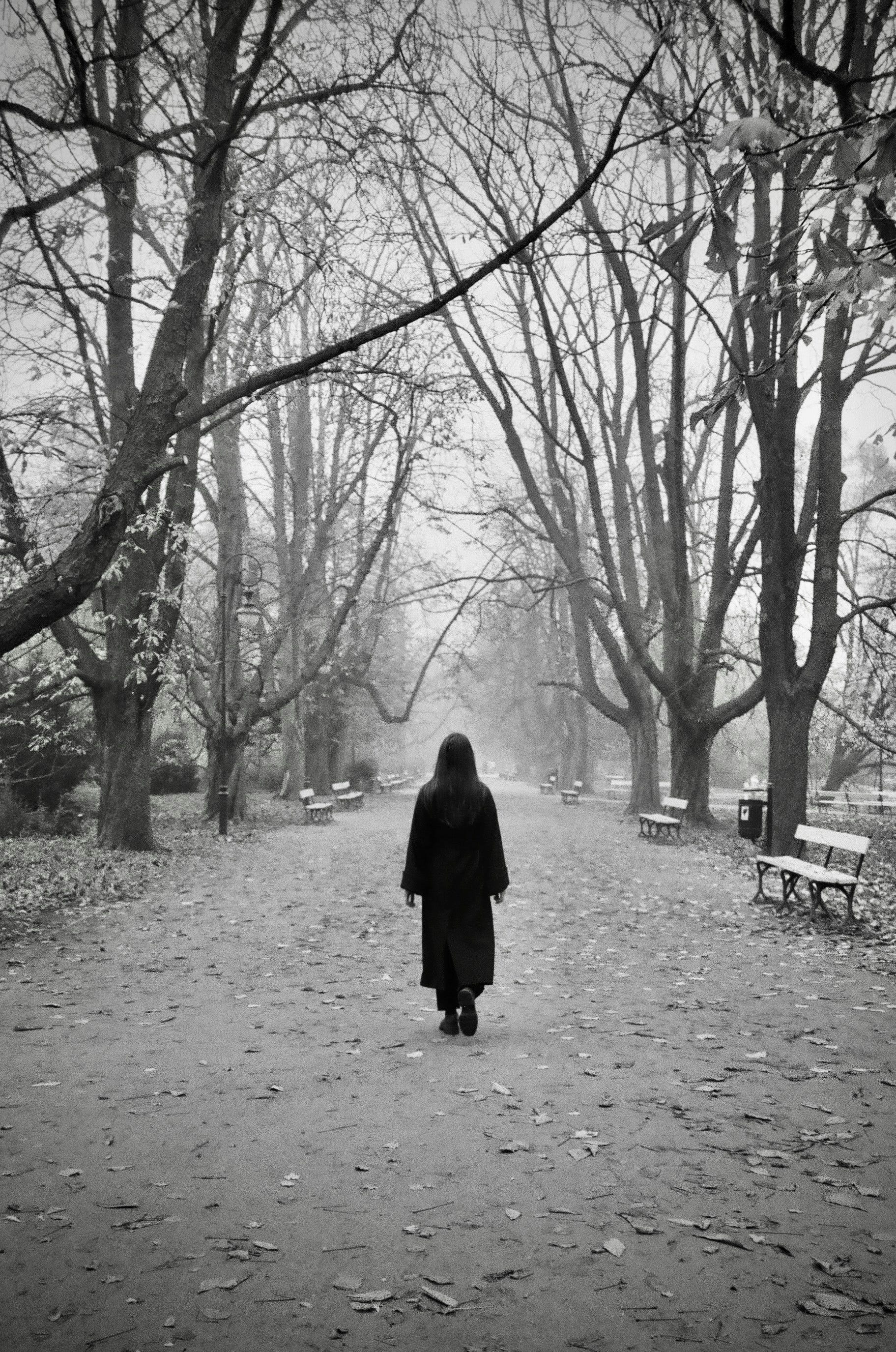
She told them stories — even though no one was there to hear them. She talked about small things: apricots, old radio songs, the way shadows moved across the ceiling in the late afternoon. She didn’t need an audience. Only a witness.
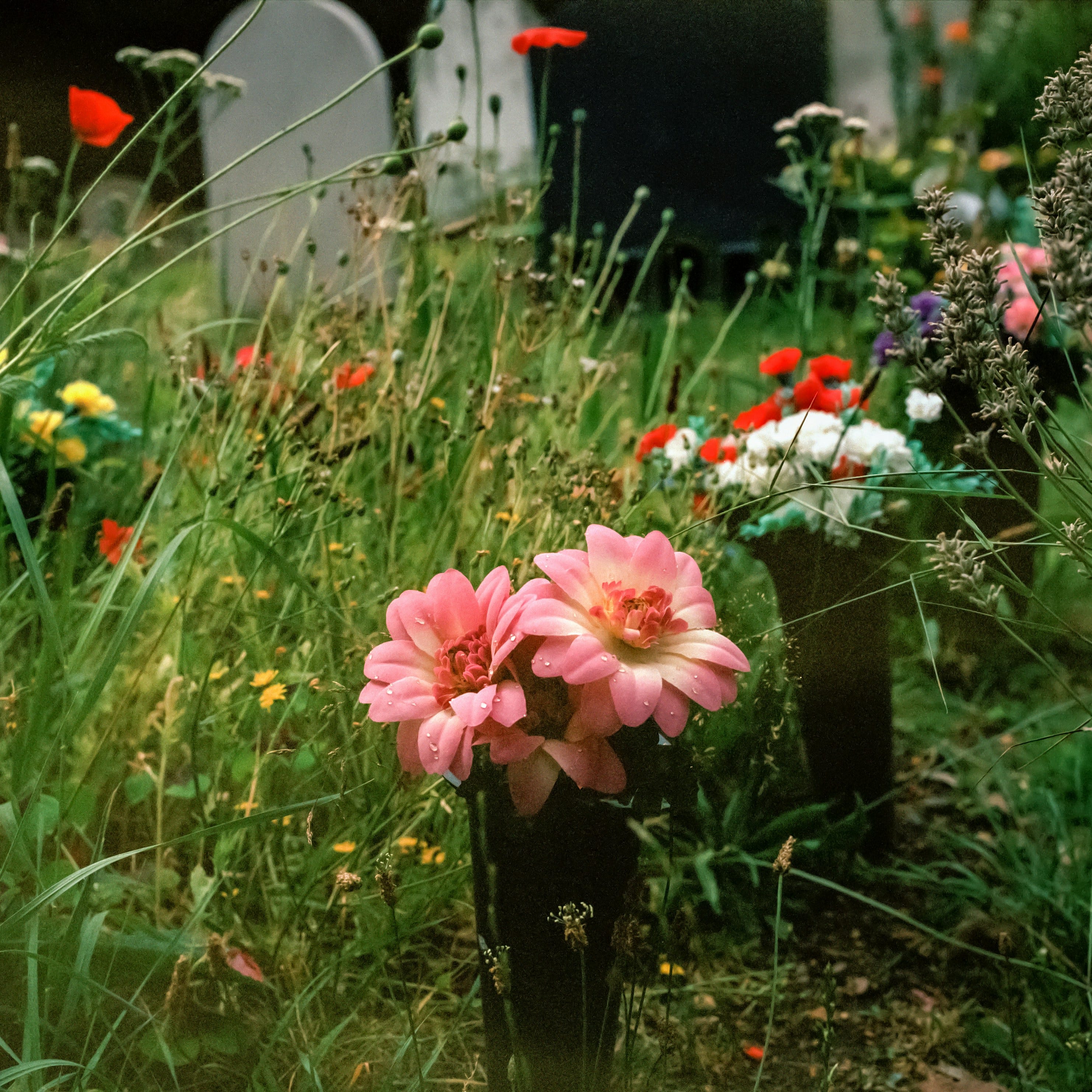
She brought flowers, rearranged the books. She cleaned the clock with a soft cloth. And every day, she listened to its steady, dispassionate tick. Until the day it stopped.
She touched it. Waited. Nothing.
That night, she slept beside the bed on the floor. No blanket. Just presence.
She dreamed of nothing. Just breath. And dust. And stillness.
When the nurse asked if she needed help clearing the room, she shook her head. “No. But if there’s someone down the hall who’s alone... I can sit with them awhile.”
She wasn’t trying to be a hero. She just knew what it felt like to vanish from someone’s world. And she didn’t want anyone to feel that unseen.
They called her a volunteer. A caregiver. She called it remembering.
To my Dear Readers - Substack Substack Team
Some grief doesn’t roar. It lingers like perfume on an old scarf. It curls into the corners of your day and waits.
We are taught to heal quickly. To “move on.” To wrap our loss in polite language. But sometimes the most human thing you can do is stay. Stay in the room. Stay with the memory. Stay with yourself.
Because love, when stripped of noise, is just presence. And some presence can change everything.
As ‘Leonard Cohen’ wrote: “There is a crack in everything. That’s how the light gets in.”
Let this story be the light. Let it break you open just enough to feel the warmth in someone else’s silence.
If this stayed with you, even briefly, Subscribe. Share. Say the name of the one you miss.

So beautifully expressed. Another example of the healing aspect of writing.
You are in the perfect community for sure.
🧡💥 Sending love and light.
“She didn’t bury her grief. She carried it like water in her hands — gently, trembling, afraid to let it spill but knowing it always would.” Love this imagery